Purim and the Hiddenness of God
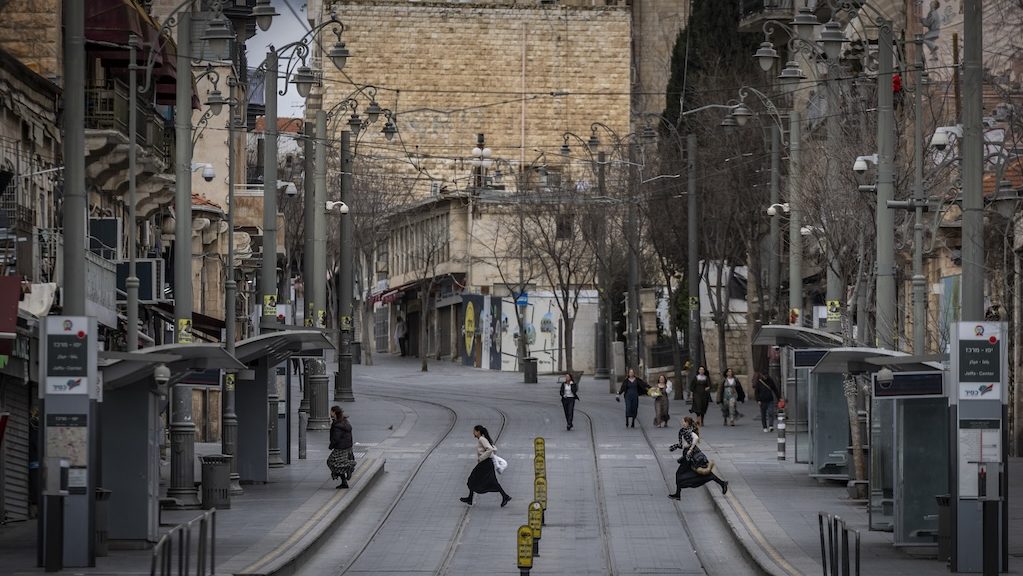
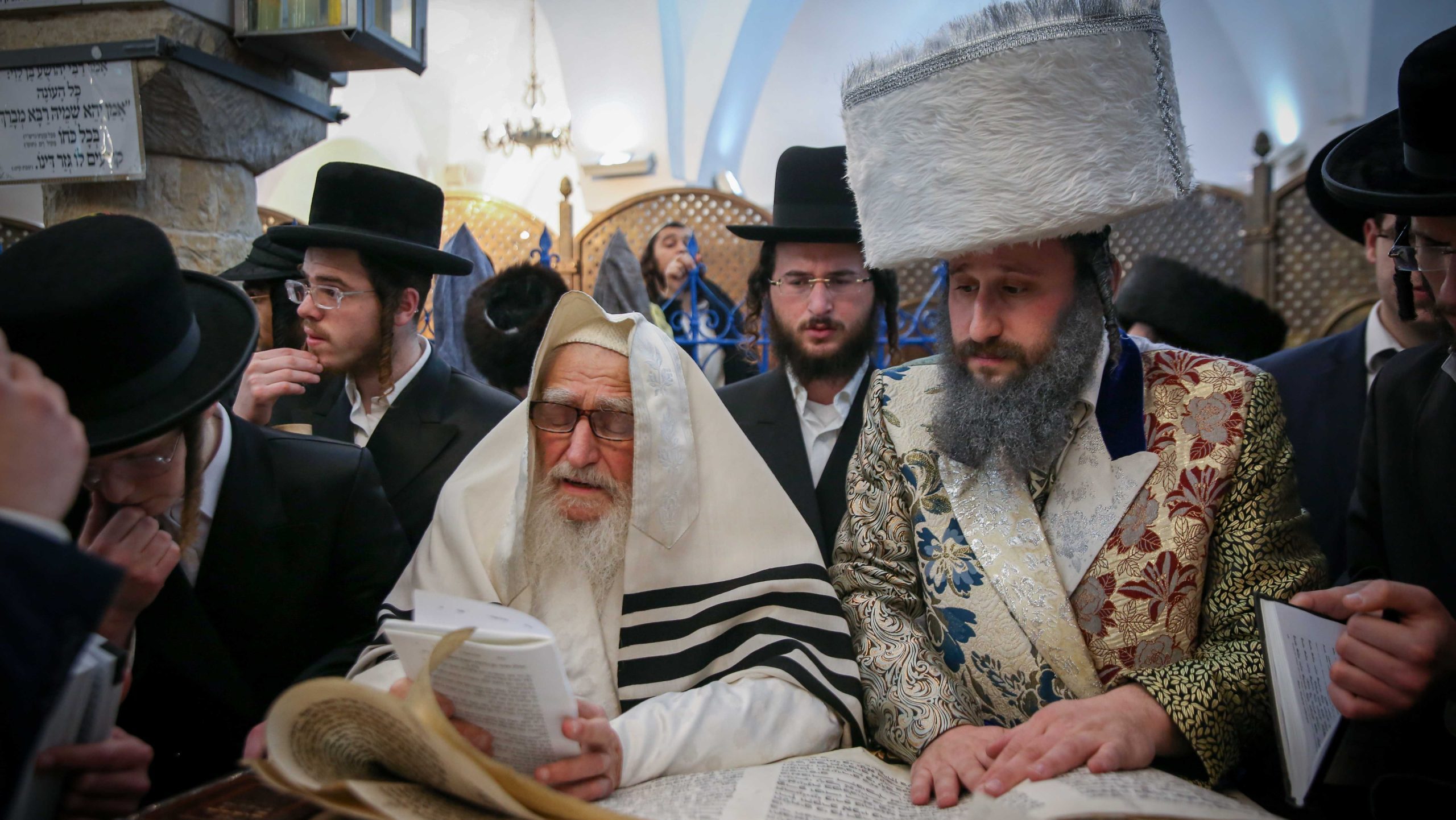 Ultra Orthodox Jews read the Megillat Esther (the Story of Esther) during the Jewish holiday of Purim | Photo: David Cohen/Flash90
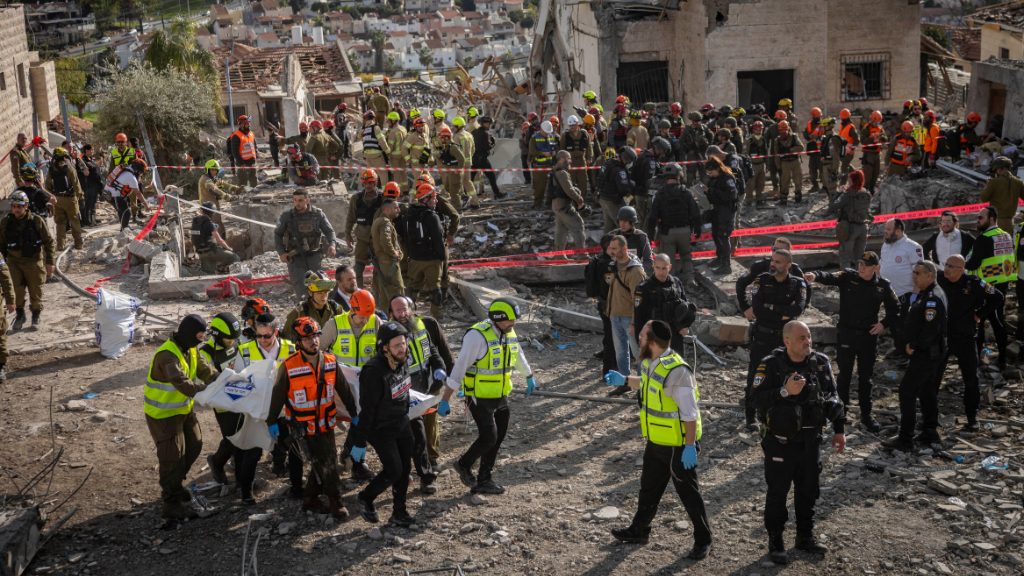
Purim is perhaps the festival that most clearly symbolizes Israel’s exile. The Jews in the Persian Empire escaped the murderous plot of the evil Haman. Time and again in the history of the Jewish people, rulers have ‘risen up to destroy it’, as the Passover Haggadah expresses it—and time and again driven by the same motives. There is a line that runs from Haman to the ‘Final Solution’ of Nazi Germany and to the ‘Al-Aqsa Storm’ of Hamas and others on 7 October 2023.
When Esther agreed to go to King Ahasuerus to try to thwart Haman’s plans, she first asked the Jews in Susa to fast with her and for her for three days (Esther 4:16). Esther’s fast is still commemorated on the day before Purim, which is therefore also called Ta’anit Esther, the Fast of Esther. For three days of fasting would have been visible on her face.
Esther herself and the Jews in Susa fasted for three days, ‘night and day’. According to the medieval Jewish commentator Ibn Ezra, this indicates that Esther did not rely on her beauty, but solely on God. After three days of fasting, the effects would have been visible on her face.
For if you remain silent at this time, relief and deliverance for the Jews will arise from another place’ (Esther 4:14).
It is remarkable that the name of God is not mentioned anywhere in the entire book of Esther. God remains hidden. Esther’s fasting is the most direct reference in the book to her faith. Another allusion can be heard in Mordecai’s words: ‘For if you remain silent at this time, relief and deliverance for the Jews will arise from another place’ (Esther 4:14). It is clear that such deliverance can only come from God.
Esther experienced God’s deepest hiddenness at the moment she entered the palace. She had put on her royal robe for the occasion. The midrash, the rabbinic interpretative tradition, explains that she was clothed with the Holy Spirit. Yet as she entered the palace, into a hall filled with idols, it was as if the Shechinah—the presence of God—departed from her. In that darkness she cried out: ‘My God, my God, why have you forsaken me?’ (Psalm 22:2).
How has this been for Israel throughout the centuries in exile? How is it today? Is not our world, our history, filled with idols? Should we not say that the Jewish people represented God in that darkness?
Then Esther was granted permission to approach the king. The midrash relates that three angels came to her aid. A turning point came in the fate of the Jewish people. There has also been a turning point in the fate of the Jewish people after the night of the Shoah. Israel has come home and is once again living in the Promised Land. Even after ‘7 October’, there has been a reversal. Israel is flourishing; the Iranian regime stands on the brink of collapse.
And what about our country? And Europe? Is there still room for the Jews among us? It is growing dark here. But in Israel, it is growing light – for those who have eyes to see.

Why Israel? by Rev. Willem Glashouwer
Order the book