From beaches to hiking trails, United Hatzalah deploys drones for summer rescues

A grandmother and her three grandchildren were stranded in a wadi near Meron in the Upper Galilee on a dark, rainy Lag B’Omer night. Unable to climb out and unsure how they would reach safety, they waited for help.
Before rescuers could reach them on foot, a drone appeared overhead.
Operated by United Hatzalah volunteers, the drone located the family, illuminated the area with onboard lights, delivered thermal blankets and flashlights, and guided rescue teams to their location. The family remained safe until rescuers arrived.
As Israeli schools prepare to break for summer vacation and families head to beaches, hiking trails and waterways across the country, United Hatzalah is launching a Summer Safety Initiative aimed at reducing preventable injuries and deaths during one of the busiest recreation seasons of the year.
The initiative combines public education with emergency-response resources, including the organization’s Aquatic Rescue Boat on the Sea of Galilee and its nationwide Drone Unit.
“Drowning is one of the major risks we see during the summer months,” said David Krispil, head of United Hatzalah’s Drone Unit. “Our goal is not only to respond when something goes wrong, but to prevent emergencies before they happen.”
According to Beterem—Safe Kids Israel, drowning is the second-leading cause of unintentional death among children under 18 in Israel, surpassed only by traffic accidents.
With millions of Israelis expected to visit beaches, swimming pools, streams and nature reserves during the coming months, United Hatzalah officials say preparation and prevention are critical.
Drones deliver aid before rescuers arrive
Krispil, a United Hatzalah volunteer for 14 years, established the Drone Unit a decade ago. Since then, both the technology and the unit’s capabilities have expanded dramatically.
“When we started, drones could stay in the air for about 15 minutes,” he said in a Zoom interview with JNS. “Today, we have platforms that can fly for nearly an hour and carry much heavier equipment.”
The organization currently operates several types of drones capable of carrying loads ranging from half a kilogram to larger systems now entering service. Even a small payload can have lifesaving value.
“Half a kilogram can make the difference,” Krispil said. “We can deliver items such as EpiPens, defibrillators, tourniquets and bleeding-control equipment directly to a patient before rescue teams arrive.”
The technology has become particularly valuable in water-related emergencies.
One recent operation took place off the coast of Netanya after two brothers entered the sea. One managed to return to shore and reported that his brother was missing.
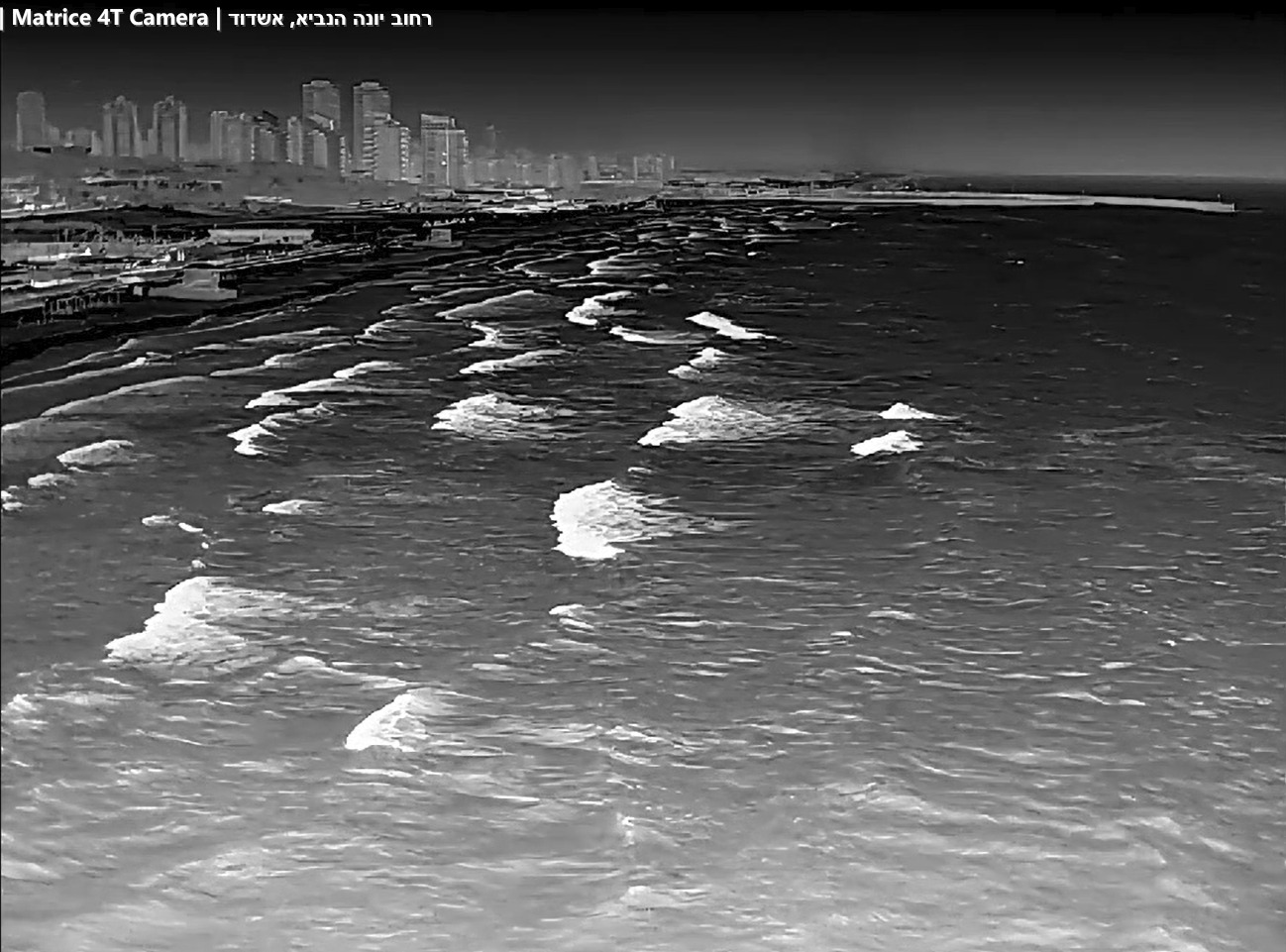
The search involved rescue boats, shoreline teams and drone operators scanning the water from above.
“Our drones use thermal imaging and artificial-intelligence systems that can identify human figures beyond what the human eye can detect,” Krispil said. “We can scan very large areas, including locations far offshore.”
The drones also serve as airborne command-and-control platforms, transmitting live video feeds to rescue coordinators and emergency services, allowing teams on land and at sea to coordinate more effectively.
Protecting Israelis on land and water
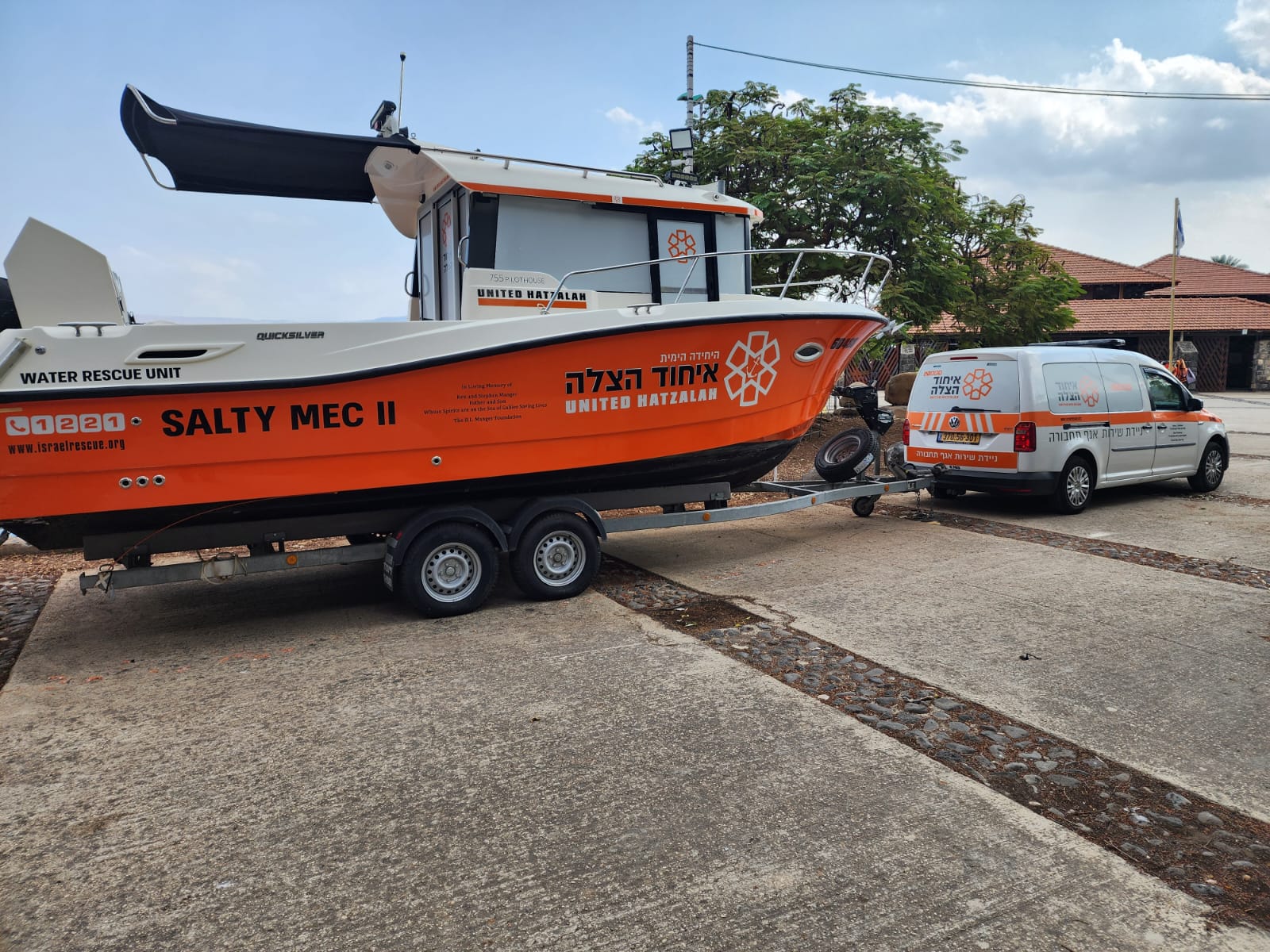
United Hatzalah’s summer preparations also extend to the Sea of Galilee, one of Israel’s most popular warm-weather destinations. The organization operates a dedicated Aquatic Rescue Boat staffed by specially trained volunteers and supported by drone technology.
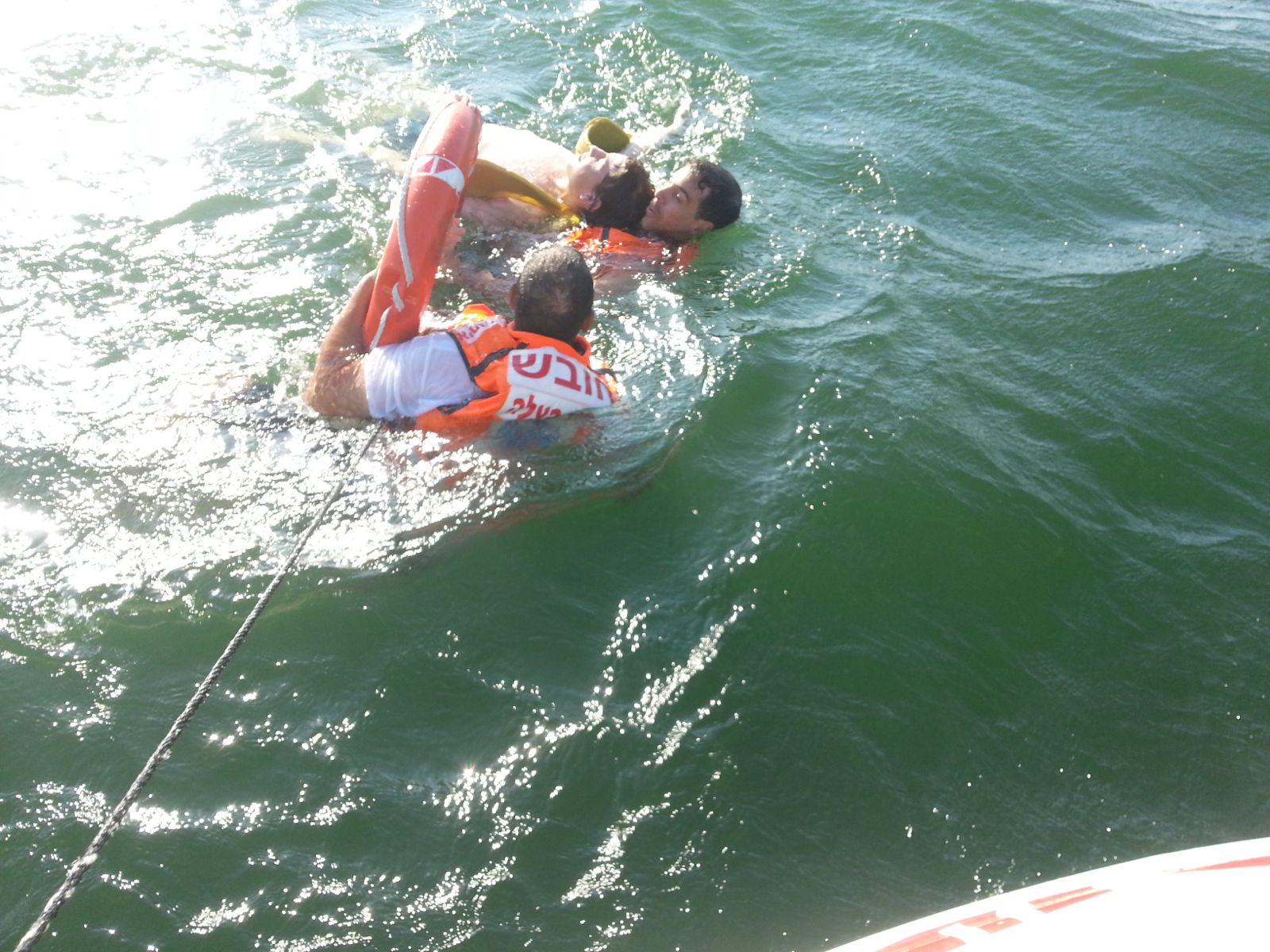
Among the tools available are drones capable of delivering flotation devices and life rings to swimmers in distress. A life ring attached to a floating rope can be dropped directly to a struggling swimmer, allowing rescuers on shore to pull the person to safety.
A specialized drone operating from the rescue boat can deploy flotation equipment to someone in danger.
The unit’s responsibilities extend well beyond beaches and lakes.
During flash-flood warnings, drone operators help locate hikers who may be unaware of approaching danger. At the beginning of May, following flash flooding in Nahal Darga near the Dead Sea, drone teams located hikers in an area with limited cellphone reception. They guided rescuers to the scene, delivered warming supplies and helped ensure a safe evacuation.
The same technology can be used to warn hikers about approaching wildfires and direct them to safe evacuation routes.
In remote areas, drones can also deliver water, blankets and other emergency supplies to stranded individuals while rescue teams make their way to the scene.
How wartime innovation is saving lives
The experience gained during the war has accelerated the unit’s development.
Krispil said drone operators worked around the clock at missile-impact sites, using specialized equipment to assess damaged buildings, locate trapped victims and provide real-time information to rescue teams before they entered potentially dangerous structures.
“The war pushed us to develop new solutions and discover new capabilities,” he said.
United Hatzalah is also incorporating advanced data analysis into its emergency preparedness efforts. The organization’s artificial-intelligence system analyzes historical emergency data, traffic conditions and demographic information to help predict where incidents are most likely to occur. The information allows dispatchers and volunteers to position personnel and equipment closer to anticipated high-risk areas.
“It is not about guessing,” said Dov Maisel, United Hatzalah’s director of innovation. “It is about giving our medics a head start. If we know where a heart attack, traffic accident, hiking emergency or drowning incident is more likely to occur, we can position resources closer to where they are needed. Faster response times save lives.”
While technology continues to expand emergency-response capabilities, United Hatzalah officials emphasize that prevention remains the most effective safety tool.
The organization is encouraging the public to stay hydrated, avoid excessive sun exposure, swim only at designated beaches and pools, follow lifeguard instructions, monitor weather alerts and remain on marked hiking trails.
“Summer in Israel brings so much fun,” said Eli Beer, founder and president of United Hatzalah. “Whether people are relaxing by one of our beautiful beaches or hiking majestic mountain trails, there is so much to do in our small country. The summer also brings very real risks
“The United Hatzalah Summer Safety Initiative is not only about responding to emergencies as they arise, but it’s also about raising awareness and preparing our volunteers to meet those risks even before the first emergency strikes,” he continued. “Thanks to our advanced Drone Unit, Aquatic Rescue Unit and dedicated volunteers, we are able to respond faster and more effectively to these seasonal emergencies. This is what is so unique about United Hatzalah: our innovative approach to lifesaving efforts. This is our commitment to the people of Israel.”
For Krispil, the mission extends beyond rescue.
“At large events, hikes and public gatherings, we often identify dangers before they become emergencies,” he said. “Sometimes a warning from a drone’s loudspeaker is enough to prevent someone from getting hurt.”
As summer begins and outdoor destinations fill with families and tourists in Israel, United Hatzalah hopes a combination of public awareness, trained volunteers and rapidly advancing technology will help ensure that more people return home safely.
“We respond when emergencies happen,” Krispil said. “But the greatest success is preventing the emergency in the first place.”
Why Israel? by Rev. Willem Glashouwer
Order the book